
In the world of modern art, where splashes of paint and abstract shapes reign supreme, a shadowy game of money laundering unfolds. It’s a scene straight out of a heist movie, but instead of masked bandits, it’s art dealers and collectors navigating a labyrinth of creativity and cash. Who knew that a canvas could serve as a disguise for illicit funds?
As the market for contemporary art skyrockets, so does the allure for those looking to clean their dirty money. With prices that can make your head spin and a lack of transparency, it’s the perfect playground for financial trickery. Dive into the colorful chaos of modern art money laundering, where every brushstroke might just hide a secret—or a scandal waiting to be uncovered.
Understanding Modern Art Money Laundering
Modern art money laundering involves concealing the origins of illegally obtained funds by purchasing artwork. Such transactions often exploit the art market’s complexities and lack of regulation.
Definition of Modern Art Money Laundering
Modern art money laundering refers to the process where individuals use high-value artworks to disguise illegal earnings. This method leverages the subjective nature of art valuations, allowing criminals to place inflated prices on pieces, thereby obscuring the money’s illicit roots. Regulatory gaps make it challenging to trace fund sources effectively. Criminals often operate through shell companies to obscure true ownership and prices, making this method appealing for laundering activities.
How It Works in the Art World
The art world offers various opportunities for money laundering. Buyers often purchase art through private sales or auctions, where anonymity thrives. Art dealers may cooperate with clients by inflating prices or falsifying provenance. Generally, artworks are sold to legitimate buyers, making the funds appear lawful. Art fairs and exhibitions can further provide platforms for this practice, as the environment encourages significant financial investments. Fraudulent transactions can blend seamlessly with legitimate sales, facilitating the laundering of significant sums with little oversight.
The Role of Art Dealers and Galleries
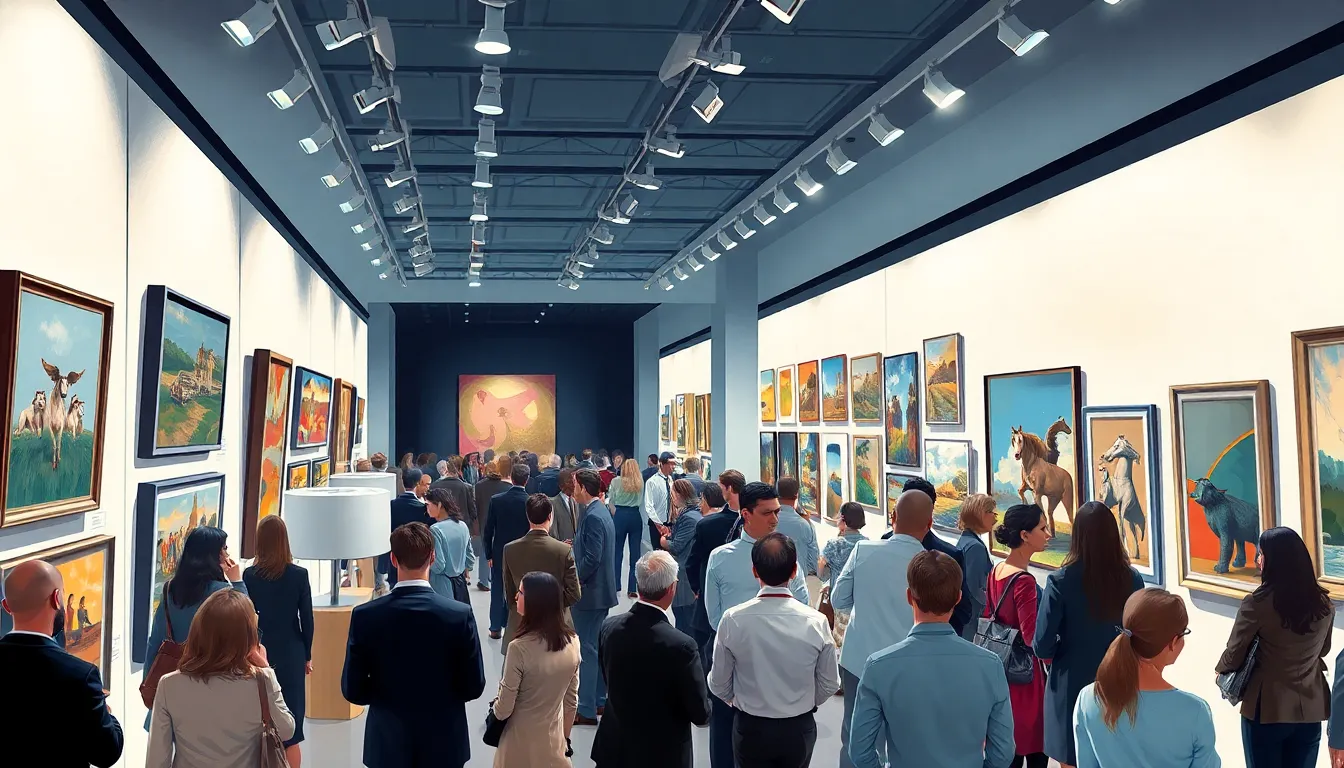
Art dealers and galleries play a crucial part in modern art money laundering. They facilitate transactions that can obscure the origins of funds through various practices.
Facilitating Transactions
Art dealers act as intermediaries in high-value sales. They often negotiate prices, which may allow for manipulation. Auction houses can create an environment where prices are inflated through competitive bidding. Buyers leverage their anonymity, making it easier to transact without scrutiny. Collaborations between dealers and clients can result in artificially high valuations. The lack of standardized pricing models for artworks adds another layer of complexity. Each sale often involves private deals where documentation may not reflect true values. These conditions create an optimal setting for laundering activities.
Lack of Transparency
The contemporary art market suffers from significant transparency issues. Limited regulatory oversight enables dubious transactions to thrive. Many art galleries do not disclose full sale histories, making it difficult to trace ownership and price changes. Private sales often escape scrutiny entirely, enhancing the potential for illicit activities. When provenance becomes ambiguous, it invites manipulation of the artwork’s background. Art fairs may showcase numerous pieces without detailed documentation of their sales paths. This unchecked environment can foster a culture of secrecy, benefiting those engaged in money laundering schemes.
Notable Cases of Art Money Laundering
Numerous high-profile instances exemplify the intricate connection between art and money laundering. Such cases often reveal the lengths individuals go to hide illicit funds within the art market.
Famous Examples
One prominent case involved a South American art dealer who sold a series of high-value contemporary artworks. Criminal organizations reportedly used these transactions to launder millions. Another example includes a New York gallery linked to international money laundering networks, where artworks served as vehicles for transferring illegal assets. A significant sale of a painting for $10 million highlighted how inflated prices obscured the money’s origins. These instances demonstrate how the art world’s opaqueness facilitates these schemes.
Legal Consequences
Consequences for art-related money laundering can be severe. Authorities in various countries now impose penalties on individuals and galleries involved in such activities. Prosecutions often target both buyers and sellers participating in fraudulent transactions. Penalties can include hefty fines or prison sentences, depending on the scale of the laundering operation. Legal frameworks are evolving to address these issues, with regulations becoming stricter. Enforcement agencies increasingly scrutinize art transactions; this scrutiny targets suspicious sales and record-keeping practices in galleries and auction houses. Enhanced transparency measures aim to deter future incidents effectively.
Impact on the Art Market
Modern art money laundering significantly affects the dynamics of the art market, influencing value perceptions and trust levels among collectors.
Value of Art Pieces
Current valuations often reflect subjective interpretations, enabling inflated prices that mask illicit activities. High-value artworks serve as convenient vehicles for laundering money, distorting genuine market value. Buyers may pay exorbitant amounts, which complicates the true assessment of an artwork’s worth. The art market’s lack of transparency allows unscrupulous dealers to present inflated valuations without facing repercussions. Consequently, legitimate artists and artworks may struggle to gain recognition amidst manipulated price structures. Price manipulation tactics result in a market where the actual value becomes obscured, ultimately diminishing trust in authentic transactions.
Trust Issues Among Collectors
Collectors face growing skepticism regarding artwork provenance and authenticity. Trust diminishes as more cases of art money laundering come to light, leading to uncertainty about investment decisions. Increased instances of inflated prices undermine collectors’ confidence in the market. Dealers who engage in dubious practices contribute to this erosion of trust, making it challenging for honest artists and galleries to thrive. Additionally, fear of unintentional involvement in money laundering schemes discourages potential buyers from participating in high-value transactions. Art fairs and auctions, once seen as prestigious platforms, now evoke caution among collectors wary of the potential for fraudulent activities.
Prevention Measures and Regulations
Preventing money laundering in the modern art world mandates a combination of stringent regulations and best practices. These measures aim to enhance transparency and reduce illicit activities within the art market.
Legal Frameworks
Legal frameworks evolving in various jurisdictions target art market vulnerabilities. Countries like the United States and members of the European Union have enacted Anti-Money Laundering (AML) regulations that specifically apply to art dealers, galleries, and auction houses. These laws require these entities to implement Know Your Customer (KYC) protocols, ensuring that they verify the identities of buyers and sellers. Additionally, reporting requirements for transactions above certain thresholds help authorities track suspicious activity. These regulations aim to close loopholes that criminals exploit, significantly tightening the oversight of art market transactions.
Best Practices for Art Transactions
Best practices emerge as essential tools for ensuring transparent art transactions. Dealers and galleries should conduct due diligence to verify the legitimacy of artworks and their provenance. Utilizing digital platforms that record transaction histories can improve traceability and accountability in sales. Establishing clear pricing models based on market standards promotes consistency and discourages price manipulation. Moreover, engaging with specialized legal counsel familiar with art law can bolster compliance efforts and navigate potential pitfalls in transactions. These practices not only maintain market integrity but also foster trust among collectors and investors.
The world of modern art presents a unique landscape where beauty and deception intertwine. As the art market continues to evolve, so do the methods employed by those looking to launder money. The increasing scrutiny from regulatory bodies signals a shift towards greater transparency, yet the allure of high-value artworks remains a tempting avenue for illicit activities.
Collectors and investors must navigate this complex environment with caution. Understanding the risks associated with art transactions is vital for preserving the integrity of the market. By embracing best practices and supporting regulatory efforts, stakeholders can contribute to a more trustworthy art world, ensuring that the vibrant creativity of modern art isn’t overshadowed by the shadows of financial misconduct.