
Most folks think of quarters as just pocket change, but some of these shiny little discs could be worth more than a cup of coffee. Imagine pulling out your wallet and discovering a quarter that’s not just a quarter. It’s like finding a unicorn in a field of horses!
Understanding Modern Quarters
Modern quarters, produced since 1965, primarily contain copper and nickel. Collectors often find significant value in certain varieties of these coins. Some quarters from the 1970s and 1980s, for example, are sought after due to low mintage numbers. The 1970-D quarter, with its rare “D” mint mark, can fetch up to $10 in uncirculated condition.
Errors also add value to modern quarters. A quarter with a double die imprint, such as the 2004 Wisconsin quarter, can be worth $1,000 or more. Quarters featuring special designs, like the American the Beautiful series, hold appeal for numismatists as well. Certain releases from this series, issued between 2010 and 2021, can reach values ranging from $3 to $15.
Condition heavily impacts the worth of modern quarters. Uncirculated coins often command premium prices compared to those with visible wear. Grading services, such as the Professional Coin Grading Service (PCGS), assess the quality, which influences market value.
Market trends also play a role in determining worth. Prices can fluctuate based on collector demand and national economic factors. Keeping track of market movements can help collectors gauge potential sales.
Exploring recent auction results offers insight into what buyers are willing to pay. Some modern quarters, especially those from recent mintages, may appear common but can have unexpected value. Awareness of specific coins and their unique characteristics enhances the potential for profit.
Key Factors That Determine Value
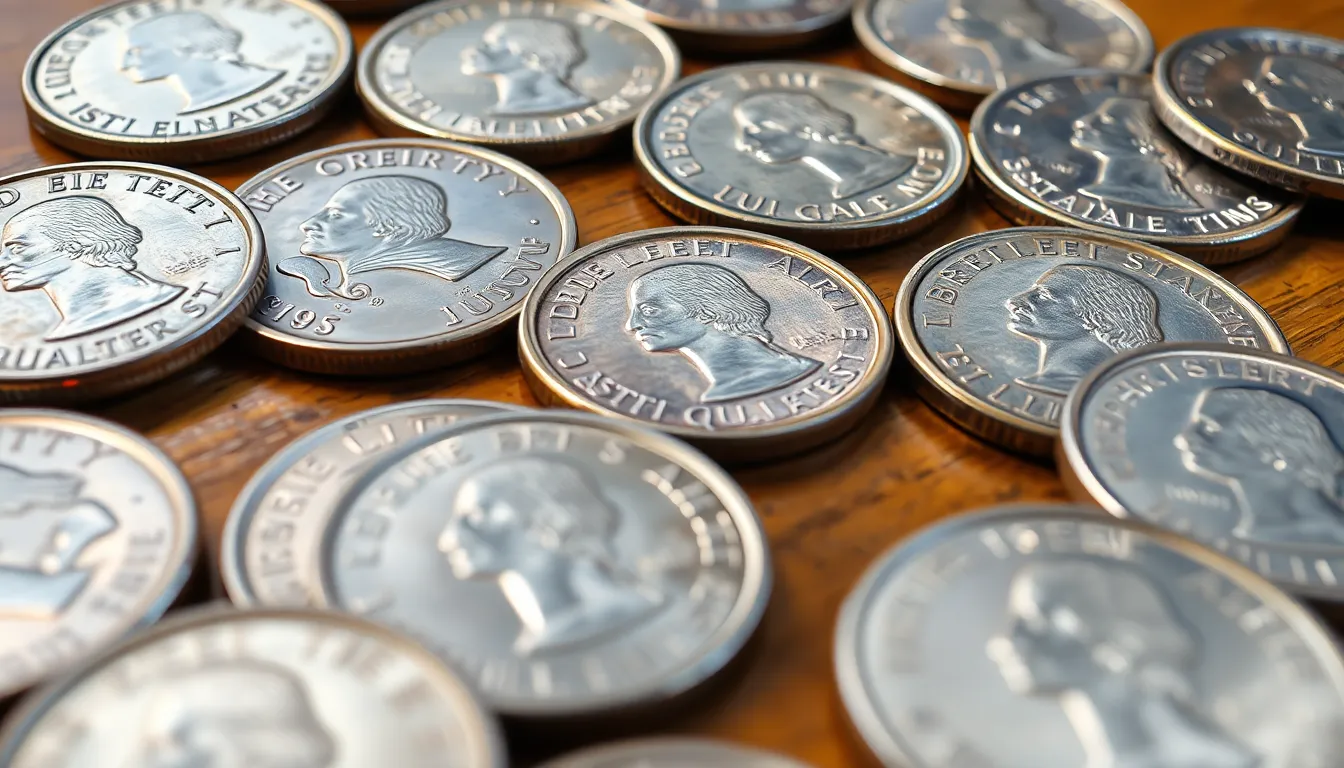
Value for modern quarters depends on several key factors, including mint marks, rarity, condition, and grading. Understanding these elements helps collectors identify potentially valuable coins.
Mint Marks and Rarity
Mint marks significantly influence coin value, distinguishing where each quarter was produced. Coins with a “D” mint mark, particularly from the 1970-D series, can be rarer. Rarity directly impacts worth, as collectors often seek unique items. Limited editions, like those from the American the Beautiful series, also carry a premium due to their specific designs. High demand exists for coins that are scarce in circulation. Finding a quarter with a rare mint mark might lead to unexpected discoveries at coin shows or in change.
Condition and Grading
Condition plays a crucial role in assessing a quarter’s value. Uncirculated coins tend to fetch higher prices, appealing to serious collectors. Grading services such as the Professional Coin Grading Service (PCGS) evaluate coins based on their condition, providing a standardized ranking system. Collectors prefer coins rated as “gem” or “brilliant uncirculated.” This standardized grading helps determine market prices. Coins in poor condition typically fall short of the desired value, regardless of rarity. Regularly checking recent auction results can reveal trends in how condition affects pricing.
Notable Modern Quarters to Look For
Several modern quarters stand out in terms of value. Collectors often seek specific designs that reflect cultural and historical significance.
50 State Quarters
Introduced in 1999, the 50 State Quarters program features one quarter for each state. Certain designs, particularly those with lower mintage, attract premium prices. For example, the 1999 Delaware quarter has a rare “double die” error that can be worth over $500. Additionally, the 2004 Michigan quarter, when struck without a “P” mint mark, can bring in over $3,000. Some state quarters may command as much as $10 to $50 based on their rarity and demand.
America the Beautiful Quarters
The America the Beautiful Quarters series began in 2010 and continues to capture collector interest. Each quarter showcases a national park or site, creating intrinsic value tied to the American landscape. Certain uncirculated editions fetch up to $15, while others featuring notable errors, such as the 2015 Harpers Ferry quarter, can be valued at over $1,000. Collectors focus on mintages and unique designs, as limited releases often lead to increased worth over time.
How to Assess the Value of Your Quarters
Assessing the value of quarters involves research and understanding specific market indicators. Collectors must stay informed about recent auction prices and trends, as these factors significantly impact overall worth.
Researching Market Prices
Market prices fluctuate, requiring thorough research. Numerous online platforms and auction houses provide current pricing for various quarters. Consulting these resources helps collectors determine fair market value. Engaging in collector forums contributes valuable insights, as experienced members often share up-to-date pricing information. Local coin shops sometimes offer pricing guides and personal assessments. Tracking prices over time reveals notable trends, aiding in the evaluation of a quarter’s potential worth. Regularly checking market conditions provides a clearer picture of what’s in demand.
Using Price Guides and Resources
Price guides serve as essential tools in determining quarter value. Trusted resources include publications from the Professional Coin Grading Service and the Official Red Book. Utilizing these guides enables collectors to understand mintages and estimated prices for different coin varieties. Online resources, like numismatic websites and auction results, offer current sales data. Comprehensive databases provide information on historical pricing trends, adding context to a coin’s value. Comparing similar listings ensures accurate valuation. Awareness of reputable price guides enhances a collector’s ability to make informed decisions.
Selling or Trading Your Modern Quarters
Modern quarters hold potential value, making them worth selling or trading for those who recognize their significance. Collectors often choose online platforms, local coin shops, or auction houses to find buyers. Each option presents unique benefits and considerations.
Online marketplaces, like eBay or specialized coin sites, connect sellers with a vast audience. Listing coins with clear images and accurate descriptions attracts more interest. Local coin dealers provide immediate transactions, offering cash or store credit. Building relationships with dealers can lead to better prices over time.
Auction houses facilitate competitive bidding, often resulting in higher sale prices. Preparation is essential; researching recent sales and setting appropriate reserves can enhance outcomes. Professional grading services, such as the Professional Coin Grading Service (PCGS), can authenticate coins, increasing buyers’ confidence in value.
When trading, maintaining awareness of market trends proves beneficial. Grading, rarity, and mint marks significantly influence perceived worth. For example, uncirculated coins typically command higher prices than circulated ones. Understanding specific demand can inform strategic trades and sales.
Moreover, engaging with collector communities through forums and social media can provide valuable insights. Knowledge of market fluctuations helps identify the best times to sell or trade. Some collectors might prefer bartering for coins instead of cash, creating mutually beneficial exchanges.
Ultimately, selling or trading modern quarters involves strategic decisions. Identifying the right platform or buyer can maximize profits. Staying informed about market conditions and coin values ensures a successful experience.
Modern quarters can surprise collectors with their hidden value. While many may see them as simple change it’s important to recognize the unique characteristics that can elevate their worth. From rare mint marks to notable errors collectors should stay vigilant and informed.
Understanding the nuances of grading and market trends can significantly impact the potential profits. Engaging with communities and utilizing resources can enhance one’s knowledge and selling strategies. By keeping an eye on auction results and price guides collectors can navigate the world of modern quarters with confidence. The journey of discovering valuable coins can be both rewarding and exciting.